We’re at the end of another thrilling March Madness. The elite survive and move on in the tournament. I’m captured by something Duke’s iconic Coach K said while on the Pat McAfee Show:
“Greatness wants to be coached.”
He said this when asked what it was like to coach basketball’s elite: Kobe Bryant, Shaquille O’Neal, Dwayne Wade, LeBron James and others on the Olympic basketball team. Pat wondered if he asked them to check their egos at the door.
Quite the contrary Coach K said. Elite performers have an ego – it’s part of what motivates them. He told them to bring their egos into the room as long as they could form one ego together that would drive the team. We know the results.
Over the many years I’ve coached radio talent, there are many qualities that bind the radio elite I’ve been fortunate to work with. They have egos, but their greatness wanted to be challenged. That pushing and pulling and questioning of talented people, open to this feedback, helps get them to heights yet unknown. Their greatness wanted coaching.
Two stories.
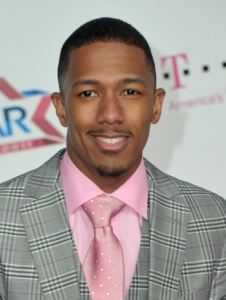 The wonderfully smart Dom Theodore called me on a Monday many years ago. He was programming then CBS’s new Top 40 AMP in New York City. He wanted me to come to town that Thursday to interview someone they were considering for mornings. Someone who was out-of-the-box. They were wondering if they were crazy considering this person.
I am normally leery working with celebrities outside of radio. They tend to think their persona alone will drive their radio success. Two hours after having a one-on-one chat with Nick Cannon, I told Dom they’d be dumb if they didn’t hire him. I was captured by Nick’s aura and passion for radio and told him I would need direct contact with him if this was gonna work. He really had no idea how to do radio. While I respected the room (cohosts and producers), the show would rise and fall with Nick’s decisions. He gave me his cell. When I got to Laguardia, I texted him and got a reply in thirty seconds. A good sign. That’s how it went with Nick.
 Nick made every meeting, even if it meant taking the red eye from Los Angeles. He called to ask questions and for advice. He thought about radio all the time and worked to learn how we do this. Despite the station not succeeding (because of a little thing called Z100), I adored Nick. His greatness wanted coaching.
Ditto Ebro Darden at HOT 97 in New York. I was taken by this incredible article done on him in Barrett Media last week. Ebro’s no longer on terrestrial radio. But look at how he’s elevated. Ebro, as you would imagine, is no wallflower. We’d sit in meetings and challenge each other. Never raised voices, but convictions on both sides. All I had to do was access the New Yorker in me. Maybe he didn’t like it in the moment (maybe he did?), but there was always a mutual respect. Ebro is where he is now because his greatness wanted coaching (from me in small part and I am sure many others in his career).
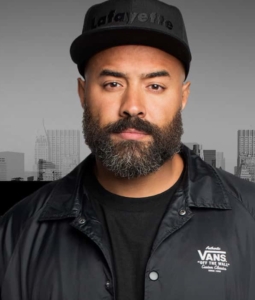 If you only want to be coached on your terms, you don’t want greatness. You want comfort.
Ebro and Nick (and the many other great talent I’ve worked with) have convictions and a vision for their shows. They also crave the conversation to improve. They want someone to challenge them and hold them accountable. None of that scares them.
The core attributes of those who get to greatness (you must have all three): Aptitude (their talent), Attitude (we embrace growth positively), and Work Ethic (we out-work everyone else). There’s much in radio we don’t control. But these items noted here, the through thread of excellence, are choices in our control.
Radio is dying? Not if we have personalities with greatness who want to be coached. Those folks thrive regardless of the environment.

 It’s an added benefit when benchmarks are so strategic they define a cast member. Logan and Sadie, WINK-FM, Ft. Myers, FL spend part of their week talking about their significant others on the show. That’s part of being vulnerable to define who you are. We decided to flip that script. Every Monday, Logan’s wife comes on to grade him as a husband based from the weekend. Did he not finish chores around the house? Did he take his wife out for dinner? What happened in their relationship over the weekend, from his wife’s perspective, that gives her equal time and further humanizes him? She tells the stories and attaches a letter grade. Thus making it very relatable to our female base, with many being envious to do it, too. In this version, he gets an “A”. But the real fireworks happen when he doesn’t. This is strategic character development wrapped into a weekly benchmark.