
We’re Gonna Need Better Prizes
I worked with a show many years ago that was, to put it politely, “ratings-challenged”. The program director and I knew the issues were rooted in relevance of content, not being local enough, and a lack of unique treatment of those content choices to stand out. But what we do is people management so we’d regularly enroll the show’s principle players in finding a solution that would improve things.
 We’d ask the talent what fixes the larger ratings issues so they could take ownership of the right path forward. And each time we would get back the same answer: we need better prizes.
The show didn’t last much longer.
Our long-term wins come strategically. Where the show thought that manipulating listenership and getting contest players to come back to the program was the answer, developing images is always the smarter choice.
Have we identified the right content is the first question. Then how we do that content to endear ourselves to the audience is the key that unlocks the door for increased engagement with fans.
This show consistently played to the two percent of game or contest players when being much more concerned with the perceptions of the other 98% just tuning in, looking to be entertained, was more important. Where we’d preach that how we gave out whatever prize we had was the smarter putt, they stayed hyper-focused on the quality of the prize.
Who’s Wheel of Fortune really doing the show for? Those three contestants spinning the wheel with Pat and Vanna? Or those of us sitting on the sofa trying to figure out the puzzle, looking to win nothing? It’s always about us, the larger group they want watching. Go time the opening of Wheel. From the moment the show starts until the first letter of the first puzzle is revealed (that’s when the show is about the viewer), it’s less than thirty seconds.
Think of those 98% when doing your content (contests, games, or not). What messages are listeners walking away with about your show? A concept I consistently talk with talent about is doing their content for the person least interested. If those fans leave knowing how real you are; identifying with the story you just told; vicariously playing along with the game you have the prize for; understanding how different and relevant you are; laughing and having fun, then you’ll find your win.
There are tactical things every show can and should do to extend listenership. But the truly long-lasting wins come strategically.
“We’re gonna need better prizes” solves nothing. Coach your show to process how those you will never hear from, the other 98%, are reacting to what you’re doing.
Advocating for their win advances all efforts for your win to becoming an epic brand.
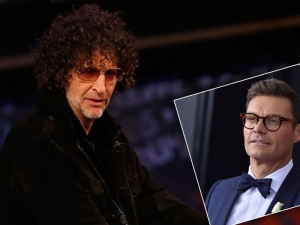 No standout show or talent in radio got there by guessing at it. The Ryan Seacrests and Howard Sterns of our industry ascended to iconic status (iconic: great ratings, tons of revenue) because there was a strategic process in place to get there.
 We need talent to help set us apart. Leaders help groom these attributes in personalities to get them there.
 Just before Thanksgiving I had surgery. A few weeks ago, I got together with some non-radio friends, and one asked how I was doing. Thirty seconds into my update, the other person interrupted and proceeded to tell me, over the course of several minutes, about his last three surgeries. The focus never came back to me and my story.
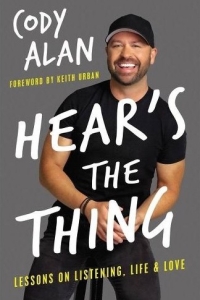 That’ll push them further down the road to becoming epic for your radio station.
 I’m an Apple guy and just ordered their new MacBook Pro. It’s received stellar reviews and it’s time to update my laptop, so I placed my order.

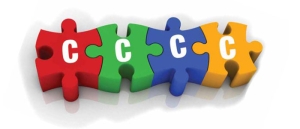 I talk with new shows about the “need for C’s”. A subjective metric to assess if your show is on course. These are the Four C’s every talent and show should work on, around the framework above, to assure they’re strategic. How would you rate your show in each of these areas?
 Years ago, one month out of the first anniversary of the Boston bombings, I decided to engage the two shows I work with in that city around what our programs will sound like that day. I received back, as is sometimes the case, silence. When I was on the air, I was the king of never planning. I usually worried about large milestone shows like this the day before. We don’t have that luxury any longer because of the competition for listeners’ attention.
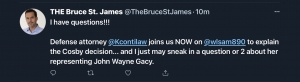 My friend Bruce St. James, who does mornings at WLS, Chicago, is incredibly smart (a good talent trait), but also quite curious (that’s what makes him smart!). I happened upon this tweet the day the Cosby story broke, which said it all. Bruce was also curious about how Cosby could be let out, so that fueled his breaks. And the audience naturally took the trip with him.
 There’s a show out west I don’t know but like as a listener. I’ve never met the people doing the program. As fate would have it, the anchor pinged me on Facebook wanting to set up a Zoom to say hello.
 Do your talent have EPIC in them? Are they high performers, always seeking that next level, welcoming the challenge for growth? Are they confident to not be the smartest, bestest, funniest, or most strategic in the room?