
Gregg, Freddy, and Danielle, MIX 104.1, Boston One Big Happy Family
 Have you ever been accused by your PD that your show is in a silo? When I did mornings, I never quite got this accusation until I stepped away. Many shows ignore the rest of the radio station. They don’t talk about station promotions too much or the other personalities. I’ve never believed it’s malicious – you’re just into doing your content. It helps in building the station brand for the audience to know that you’re one big, happy family. That’s why finding reasons for other talent to be on your show and you being on their show lifts all boats. A few weeks ago, we lost a key cast member on Karson and Kennedy, MIX 104.1, Boston. The day before her final show, the afternoon team of Gregg, Freddy, and Danielle called Annie Dow to have some fun and say how much they’ll miss her. Station fans leave a break like this knowing everyone likes one another. Smart move.
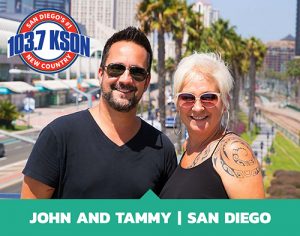 Choosing the topics for your show should be the easy part. Stay familiar by going with something everyone knows about that lives in current pop culture or is local. Listeners wake up and want to be around what they know so using familiarity as a threshold for your topic choice will help. Then, it’s what you do with the topic that moves your show into unique territory. A few months ago, when everyone was talking about huge payoffs in Mega Millions and Powerball, John and Tammy, KSON, San Diego decided on their own spin called My Ex Made Me a Millionaire. They got on two people who were divorced. Each person choose half of the numbers on one lottery ticket they bought. If it hit, the couple got the money. What will you do with the topic (that isn’t perceived as a wacky radio bit) that sets you apart?
 Games work when they’re vicarious and fun. There must be an edge, but it’s critical there is a play-along factor, too. Enter Salt and Christine, WTIC-FM, Hartford with this week’s game, You’re Full of Shit, Salt. If you really look at it, so many games are trivia-based. Your win comes in how you do that trivia. What’s your frame, how do you engage callers (and passive listeners just tuning in who want to have fun), and how unique is the execution? This game fits Salt’s character on the show. He’s profane, edgy, and funny. He finds interesting trivia questions and makes up a few on his own. With three listeners on the phone, he offers them up one at a time. Whoever calls him out first on making one up wins. Of course, we bleep the word “shit” (as you will hear). But this is a fun one that listeners pay attention to because of all its unique attributes.
 Are you doing a Hollywood feature? Of course you are. Everyone does. You know the audience can get whatever you’re telling them on their phones, right? The win of these features comes when you share your take on whatever story you’re talking about. What you have to say is character defining and makes it more unique. So as you put the items together for that feature every day, make sure you’re on the biggest stories that morning (of course!), but truly focused on what your opinion is on all of it. Because that’s when features like these come alive and get distinct enough to have value for your show. When the new Tom Gun Maverick movie came out, it was a story for Kyle, Bryan, and Sarah, WRAL-FM, Raleigh. Listen to how honest this is and how much more authentic the break was because they shared their feelings about Cruise.
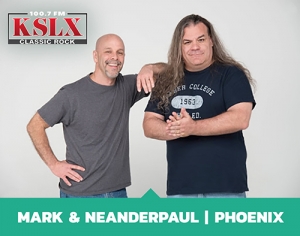 When the plot of your show is “smart guys, stupid show”, you have all the context you need for this week’s audio. If you listen to Mark and NeanderPaul, KSLX, Phoenix, you’ll find a show deeply authentic to the two guys on it. Mark and Paul are exceptionally bright guys, but easily do the dumb stuff with a wink and a nod to the audience, saying to them that they know they’re being stupid. Show plots must be central to who is on the program. My job as a talent coach is to get to know the personalities so well that I can help them channel more of their take on the world and sense of humor on the air. Such is the case with these good guys and this feature proves that. In Weekend Preview with Jokes, they make overt attempts to be local and, because we know humor drives the show, the jokes they tell fit the plot of the program perfectly.